
Craft A DIY Fence Table
Sam Lutz • May 5, 2015
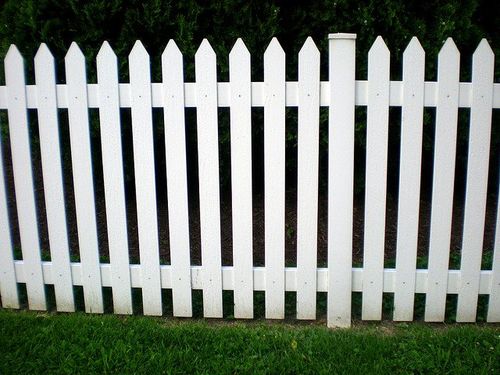
We love DIY projects at Ace Paint and Unfinished Furniture, because we love to see our customers working with their hands and personally adding value to their homes. That’s why we’re devoting this week’s blog post to this easy to complete DIY project. The fence table is a hinged surface that attaches to your backyard privacy fence. This handy feature is perfect for anyone seeking to add a foldable table to their backyard space.
Materials
- 5/8 in. x 5-1/2 in. x 6 ft. Pressure-treated Pine dog-eared boards (quantity: 4-6)
- 1 1/4 in. Deck screws (quantity: 1 box)
- 4 in. Heavy duty tee hinges (quantity: 2)
- 2 in. x 2 in. x 8 ft. Board
- Saw
- Drill with bit sized to match the deck screws
- Tape Measure
- Screwdriver
- Sandpaper
Process
- Use your saw to cut four dog-eared fence boards to a length equal to the desired length of your fence table. Lay the boards side-by-side and leave them in this position. These boards will form the table top.
- Use the saw to cut four boards to a length of 22 inches. Position these boards perpendicular to the row of boards you laid out in step 1. Lay them at even intervals over the table top. These boards are the supporting boards for your table top.
- Screw the supporting boards into the table top boards. Drill pilot holes into the boards before inserting the screws.
- Use the deck screws to attach the tee hinges to the underside of the table top along the edge that will attach to the fence.
- Attach the other side of the tee hinges to the fence using the deck screws. Drill the pilot holes into the fence before attempting to attach the fence table to the fence itself.
- Sand the table to smooth the surface.
The table top is now attached to the fence itself, so you’re almost done with your project. Now you’ll need to custom fit the table legs to your fence using the 2 in. x 2 in. boards. The actual process for cutting the legs will depend on the structure of your fence, the height of your table and other factors. You’ll need to make a miter cut on each end, angling the ends of the boards so that the legs can be wedged between the table top and the fence itself. Follow the example on this tutorial
to help you with this process.
When this is done, we recommend painting
or staining
the wood to protect it from the summer sun, winter’s snow and the general rain that falls throughout the year.
The DIY fence table is a useful surface for holding food or beverages during outdoor parties and barbecue, but the fence table has many uses beyond the potential buffet table. What purpose will the fence table serve for you? Leave your comments in the box! For more tips and advice, stop by Ace Paint and Unfinished Furniture. While you’re at the store, pick up the paint and stain for your fence table. We carry a variety of outdoor-grade paints and stains.
There are all kinds of wooden furniture: modern, antique and everything in between. We’ve talked about style differences, but what about how it’s made and what it’s made of? Is there a large difference between the wood furniture of today and yesterday?
Colors are so fascinating. They make us feel, they help us express how we feel. The right colors can really set the mood in a room, or on an outfit. There’s a lot to color theory and what each of the colors mean. This St. Patrick’s Day we thought it’d be fun to explore a little about green.
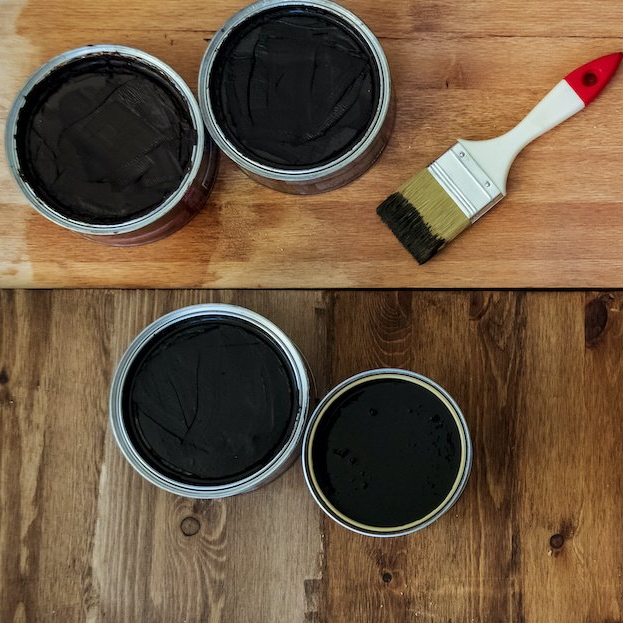
One of the wonderful things about good wood furniture is that it doesn’t have to be merely functional. It can be beautiful as well. We’ve seen some amazing pieces made with wood stains that are more than just furniture, they’re works of art. So if you’ve got an old table, desk or other piece of wood furniture that needs jazzed up, why don’t you consider using some of our great stains to try one of these ideas.
What's your furniture style? Here’s a few of the more popular styles and the kind of look they give your home.
Wood is our most basic raw material used for creating furniture. Wood furniture is timeless, and the aesthetic options are endless. Let’s talk about a few today, shall we?
The 2010s saw an uptick in modern interiors, bringing in clean lines to decor and furniture, so what does the new decade have in store? Restyle your home for the new year with the latest trends.
Are they bright and bold? Wild and wacky? It’s a thrill for our industry to learn what the latest “in” colors will be each year, and they never disappoint. The color trends for 2020 include shades of green, blue and pink, and each have an inherent welcoming quality.

Holiday parties are part of the magic of the season, but the cleanup is a pain—especially when furniture is involved. Prevent disasters with a few tips on how to protect your furniture during holiday parties.

The holiday season has arrived, and soon every corner will be decked out in red and green. But have you ever stopped to think about what holiday colors mean?

Restaining an old piece of furniture with a new varnish color can go a long way, but first you need to remove the old stain color.