
Gel Stain Can Help Revitalize Old Furniture
Sam Lutz • March 15, 2016
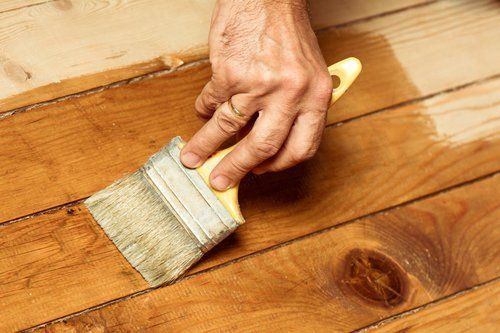
Like fast food and air conditioning, gel stain is one of the great conveniences of modern life. This smooth drying, professional-looking stain can make old furniture look new and new furniture look great. In this tribute to gel stain, we'll talk about the great advantages of gel stain, how gel stain compares to standard stain, and the different methods to use when applying gel stain to surfaces around your house.
Advantages of Gel Stain
Gel stain has many advantages because it looks and behaves differently from standard stain. Whereas standard stain is thin and watery, gel stain is thick and malleable like pudding. Gel stain is more forgiving than standard stains, and can sometimes be used to achieve a more even finish. The benefits of gel stain include:
- Ease of application: Gel stain is easy to apply over an existing finish. Although some sanding is required, gel stain can be applied after the surface is simply roughed up, whereas some other types stain require the old finish to be completely removed before work can begin.
- Grain visibility: Gel stain does allow the texture of the wood grain to be visible through the stain, but is thick enough to cover up many of the imperfections in the wood.
- Total coverage hides many scars: Damaged wood appears less damaged under a thick coat of gel stain.
- Flexibility of application: Gel stain can be applied to many different surfaces, not just wood. Just about anything that can be roughed up with sandpaper can become a surface for gel stain.
Application Procedure

There are many different methods that you can use to apply gel stain on different surfaces. Some people use a combination of rags and brushes, others use only rags. No matter what method you choose to use, you'll start by cleaning the surface that you intend to stain, then sanding the surface and cleaning it again. Use medium to light grit sandpaper for the sanding. Once you're ready to apply the stain, follow this basic procedure:
- Apply the stain. Apply the stain to the wood with either a rag or a brush. Be liberal in your application of stain, because the excess stain will be wiped off after. If the object being stained is large, apply the stain in small-ish patches, otherwise the stain may start to dry before it can be buffed.
- Buff the stain. Once the stain is on the wood, buff it off with a rag or a brush. After it's been buffed, the stain should be smooth, relatively even, and thinly applied. If you're applying the stain in small patches, then buff the patches together to ensure even coverage over the whole surface.
- Re-apply as necessary. You're probably going to need to apply multiple coats to get total coverage. Applying multiple coats will also help to cover up any damage or scratches on the wood. Follow steps 1 and 2 to apply the stain.
Resources
Gel stain is discussed extensively online by furniture refinishers and DIY enthusiasts. For information about how gel stain can be used to revitalize old wood, take a look at this website. For a helpful video that shows how to stain a table with gel stain, look at the YouTube video below:
Finally, if you're looking for advice on the different methods of applying gel stain to furniture, take a look at this tutorial.
To get in person advice about gel stain, and to talk to someone who can answer any questions you may have, stop in atAce Paint and Unfinished Furniture. We'll be happy to tell you everything we know about gel stain, and if you want, we can show you our selection of gel stains.
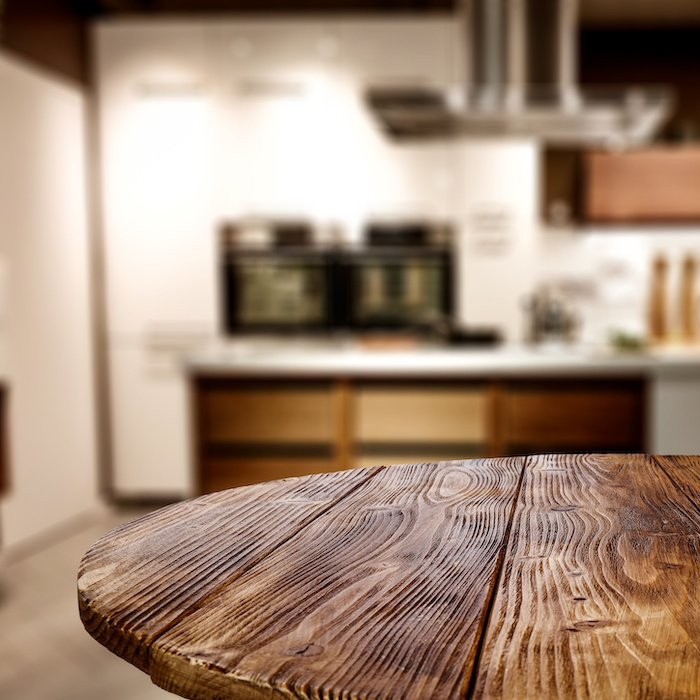
There are all kinds of wooden furniture: modern, antique and everything in between. We’ve talked about style differences, but what about how it’s made and what it’s made of? Is there a large difference between the wood furniture of today and yesterday?
Colors are so fascinating. They make us feel, they help us express how we feel. The right colors can really set the mood in a room, or on an outfit. There’s a lot to color theory and what each of the colors mean. This St. Patrick’s Day we thought it’d be fun to explore a little about green.
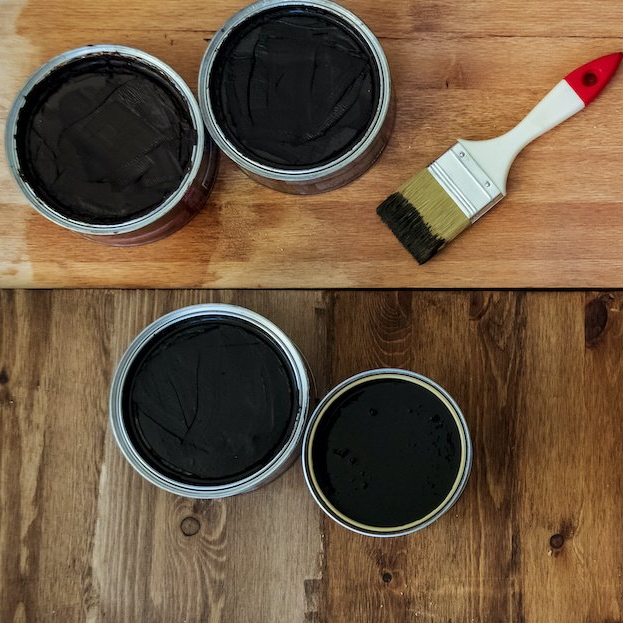
One of the wonderful things about good wood furniture is that it doesn’t have to be merely functional. It can be beautiful as well. We’ve seen some amazing pieces made with wood stains that are more than just furniture, they’re works of art. So if you’ve got an old table, desk or other piece of wood furniture that needs jazzed up, why don’t you consider using some of our great stains to try one of these ideas.
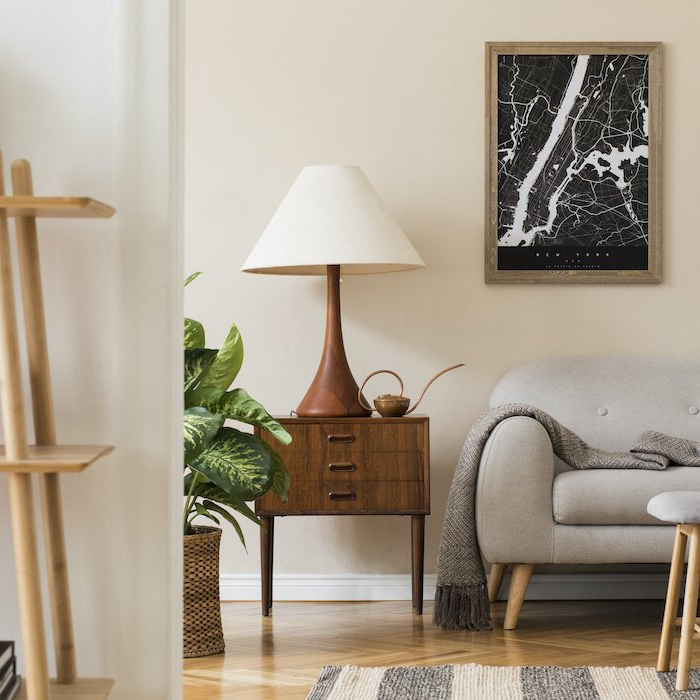
What's your furniture style? Here’s a few of the more popular styles and the kind of look they give your home.
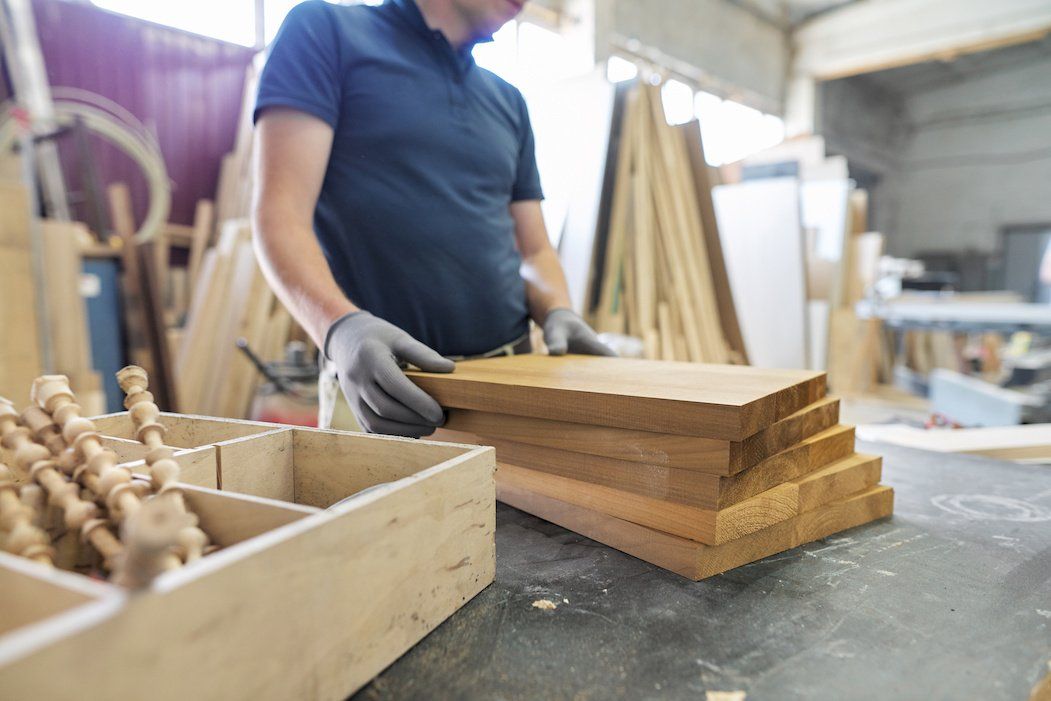
Wood is our most basic raw material used for creating furniture. Wood furniture is timeless, and the aesthetic options are endless. Let’s talk about a few today, shall we?
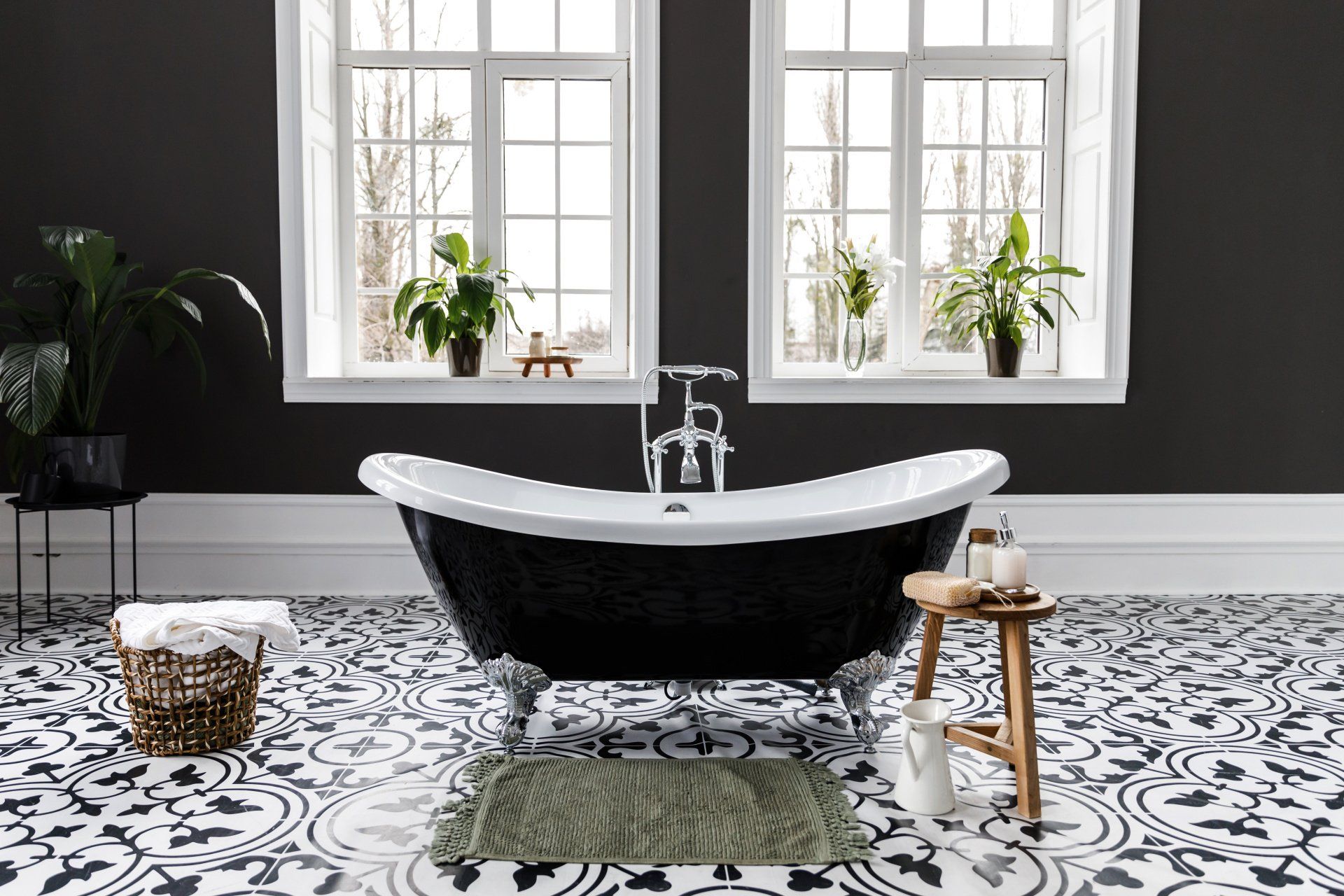
The 2010s saw an uptick in modern interiors, bringing in clean lines to decor and furniture, so what does the new decade have in store? Restyle your home for the new year with the latest trends.
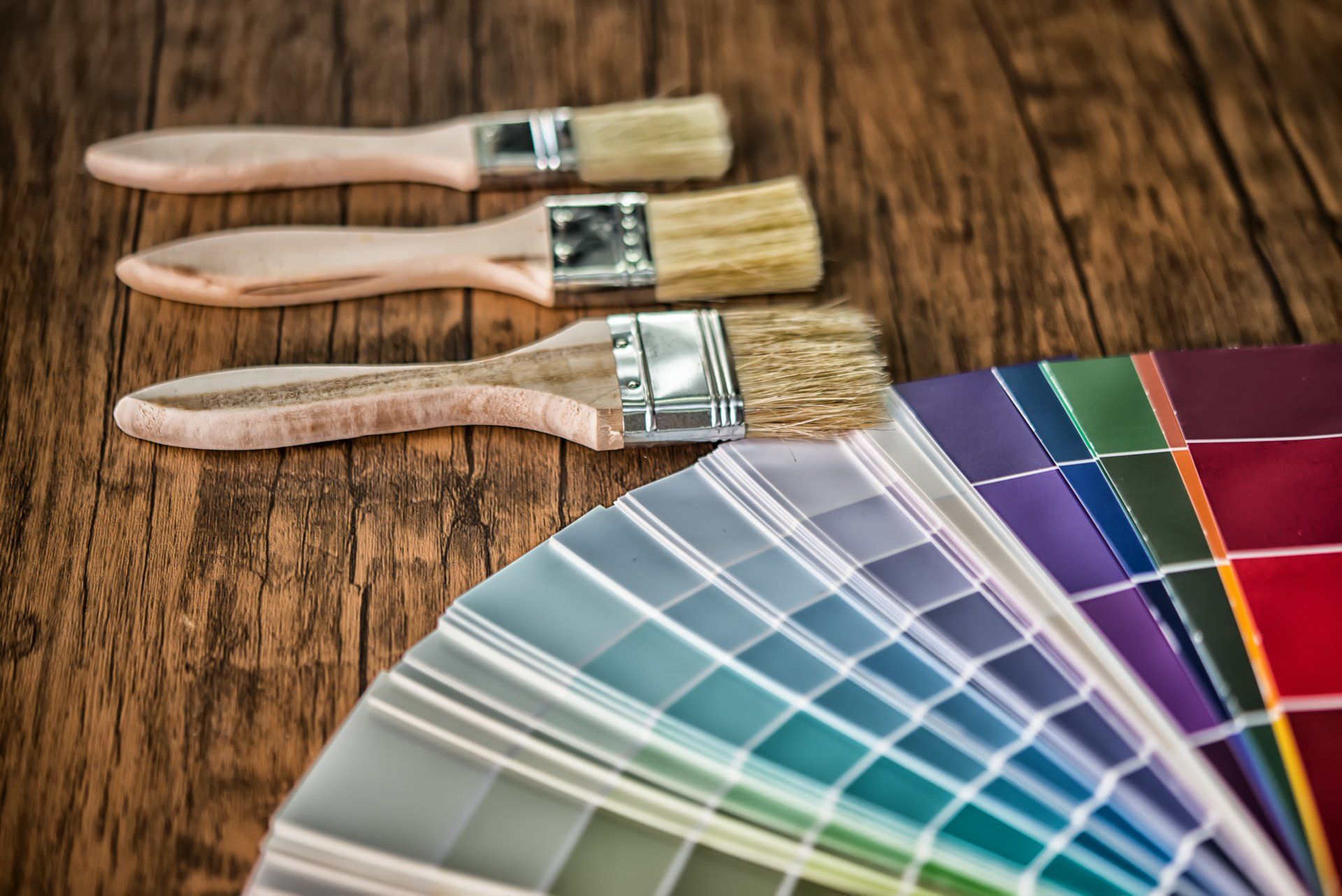
Are they bright and bold? Wild and wacky? It’s a thrill for our industry to learn what the latest “in” colors will be each year, and they never disappoint. The color trends for 2020 include shades of green, blue and pink, and each have an inherent welcoming quality.
Holiday parties are part of the magic of the season, but the cleanup is a pain—especially when furniture is involved. Prevent disasters with a few tips on how to protect your furniture during holiday parties.

The holiday season has arrived, and soon every corner will be decked out in red and green. But have you ever stopped to think about what holiday colors mean?

Restaining an old piece of furniture with a new varnish color can go a long way, but first you need to remove the old stain color.