
Installing Composite Decking
Sam Lutz • June 5, 2016

Composite decking is a plastic and wood hybrid material that has the look and feel of real wood, but the durability and water-resistance of plastic. Composite decking is longer-lasting and easier to maintain than actual timber, which makes it the rising star of decking material. For understandable reasons, many homeowners with all-wood decks are now turning to composite decking for their deck repairs and upgrades. If you’re a homeowner currently seeking to replace your old wooden deck with composite decking material, you’re not alone. The following tutorial will help you install composite decking over your old wooden deck frame.
Materials Needed
- Screwdriver
- Awl
- Measuring Tape
- Carpenter Square
- Composite Deck Planks
- Matching Composite Deck Screws
- Drill with Bits
- Circular Saw
- Dust Mask
- Jigsaw
- Spacers
- Two Sawhorses
- Composite Deck Sealer
- Paint Rollers
- Paintbrushes
Composite Decking Installation Process
Many manufacturers have special installation tools and screws (like you see in this how-to installation video), so it’s important to read the manufacturer’s instructions before doing anything. Once you have all the materials and have taken a look at the instructions, you can get started with the installation process.
- Check the old wooden frame for rotten or damaged wood. Rotten wood will be soft enough to push a screwdriver or an awl into the surface of the wood without much trouble. Damaged wood can have a variety of problems, from mold to pests. Look for discolorations, holes, saw dust, gashes and other evidence of problems. Replace any old damaged wood as necessary, then move on to the next step.
- Measure the length of the deck and determine the necessary length of the decking planks. Once you know how long the planks need to be, measure the planks and mark them at the appropriate sizes.
- Use a circular saw to cut the planks to the appropriate lengths. Wear a dust mask to avoid breathing in small slivers of composite decking material.
- Lay down the first composite decking board along the joist. Be sure to lay the decking board so that it’s parallel with the joist on the ground. Use the carpenter’s square to ensure that the planks and joists line up properly.
- Screw the board to the joist with composite deck screws made by the manufacturer. Each board should be screwed into each joist with two screws. Keep the screws about an inch from the edge of each board, and about 1/2 of an inch from the ends of the boards. Inserting screws too close to the edge of the decking can cause it to crack. If you must insert screws very close to the edge of the deck material, drill pilot holes into the decking to prevent the formation of cracks. Note: You may need to cut out notches in the deck planks to make room for the posts in the deck frame. Measure the planks ahead of time and use a jigsaw to create the notches.
- Insert spacers along the edge of the plank you just screwed onto the deck. Spacers will help you keep the planks evenly separated.
- Repeat steps 5 and 6 until the deck is completely covered with planks.
- Seal your composite decking. Sealing your composite decking will help protect your decking from mildew and stains, and will make your decking material even easier to clean. To seal your composite decking, use a paint roller to coat the decking material in sealer formulated for composite deck material. Use paint brushes to paint the edges and corners of your deck. Allow the sealer to dry according to the manufacturer’s instructions, then apply a second coat if the manufacturer’s instructions say to do so.
Stop in at Ace Paint and Unfinished Furniture
If you’re going to be installing composite decking in your yard this summer, stop in at Ace Paint and Unfinished Furniture for composite decking sealer, paint rollers and other paint accessories
that you’ll need for your project. We proudly carry long-lasting, durable Daich brand composite deck coatings. Stop in at one of our stores to pick up your materials today!
There are all kinds of wooden furniture: modern, antique and everything in between. We’ve talked about style differences, but what about how it’s made and what it’s made of? Is there a large difference between the wood furniture of today and yesterday?
Colors are so fascinating. They make us feel, they help us express how we feel. The right colors can really set the mood in a room, or on an outfit. There’s a lot to color theory and what each of the colors mean. This St. Patrick’s Day we thought it’d be fun to explore a little about green.
One of the wonderful things about good wood furniture is that it doesn’t have to be merely functional. It can be beautiful as well. We’ve seen some amazing pieces made with wood stains that are more than just furniture, they’re works of art. So if you’ve got an old table, desk or other piece of wood furniture that needs jazzed up, why don’t you consider using some of our great stains to try one of these ideas.
What's your furniture style? Here’s a few of the more popular styles and the kind of look they give your home.
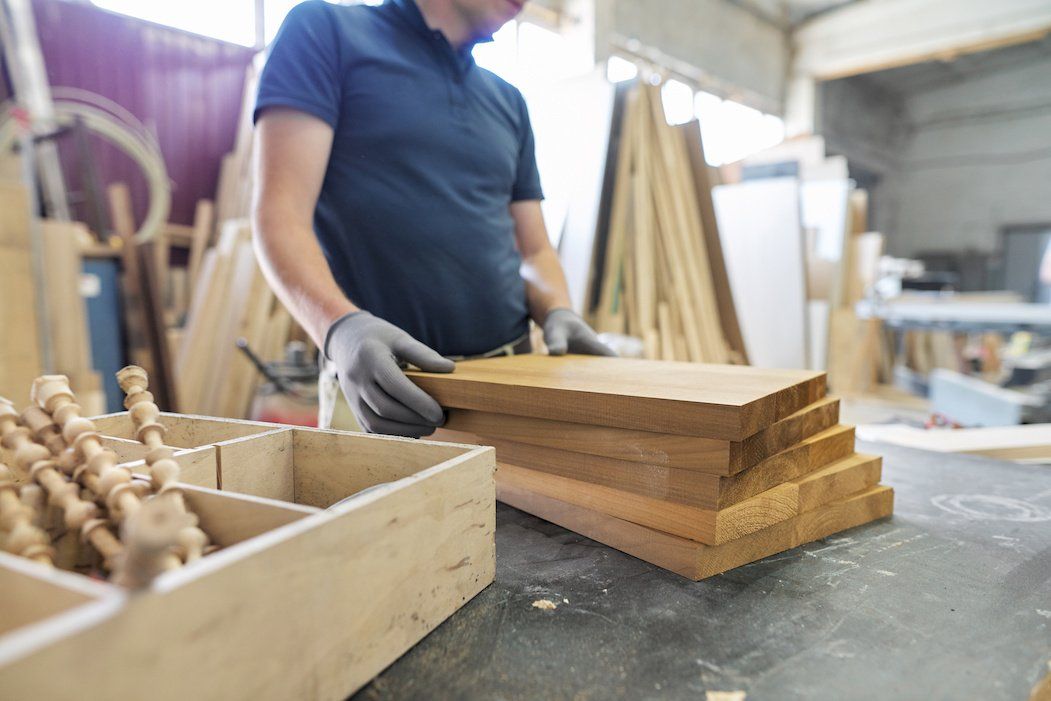
Wood is our most basic raw material used for creating furniture. Wood furniture is timeless, and the aesthetic options are endless. Let’s talk about a few today, shall we?

The 2010s saw an uptick in modern interiors, bringing in clean lines to decor and furniture, so what does the new decade have in store? Restyle your home for the new year with the latest trends.

Are they bright and bold? Wild and wacky? It’s a thrill for our industry to learn what the latest “in” colors will be each year, and they never disappoint. The color trends for 2020 include shades of green, blue and pink, and each have an inherent welcoming quality.

Holiday parties are part of the magic of the season, but the cleanup is a pain—especially when furniture is involved. Prevent disasters with a few tips on how to protect your furniture during holiday parties.

The holiday season has arrived, and soon every corner will be decked out in red and green. But have you ever stopped to think about what holiday colors mean?

Restaining an old piece of furniture with a new varnish color can go a long way, but first you need to remove the old stain color.